
Table of Contents
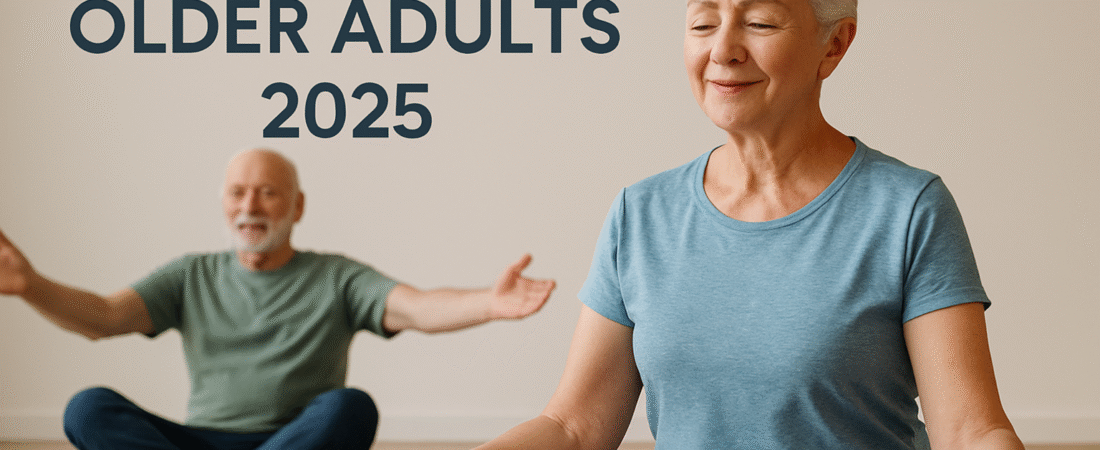
As we grow older, maintaining good health becomes essential — and that’s where fitness for older adults plays a vital role. Fitness does not mean you are limited to exercise only; everything done in a proper way can be helpful for your overall health and fitness. Regular exercise not only keeps your body strong and flexible but also supports heart health, balance, and mental well-being.
In 2025, fitness for older adults is no longer limited to slow walking or light movement — it’s about adopting small, smart daily habits that keep your body active and your mind fresh. Whether it’s light workouts, balanced nutrition, or mindful stretching, these simple steps can make a big difference in your energy and long-term wellness
If you are 50 or caring for someone who is properly adopting a routine like exercise ,workout , nutrition can help prevent injuries, improve daily energy, and boost confidence.
In this article I will tell you the best exercises, nutrition tips, and expert advice to help older adults stay active, healthy, and happy — safely and effectively.
Why Fitness Is Essential for Older Adults
If you think that health and fitness only mean looking good, think again. True wellness comes from consistent movement and balanced nutrition. Regular fitness for older adults helps maintain muscle strength, improve flexibility, and boost balance — all of which reduce the risk of falls, one of the most common causes of injury among seniors.
Exercise also improves blood circulation and oxygen levels in the body, keeping your heart and lungs healthy. It supports joint mobility and helps manage weight — all essential for preventing chronic diseases such as diabetes, arthritis, and heart problems.
Beyond physical health, staying active also has a strong impact on mental well-being. Physical activity releases “feel-good” hormones that fight depression, reduce anxiety, and improve sleep quality. Many seniors who follow safe workout routines and fitness for older adults report feeling more energetic, confident, and independent in their daily lives.
In short, fitness helps older adults maintain not just their strength but their freedom, mobility, and joy of living.
Common Myths About Senior Fitness
Even today, many people think that staying active after 50 or 60 is impossible — but that’s not true. In reality, fitness for older adults is one of the best ways to stay healthy, energetic, and independent. Regular movement helps strengthen the body, improve mood, and build confidence at any age.
Here, we’ll explore some common myths that stop people from exercising and discover the real facts behind them — so every senior can enjoy a safe and active lifestyle.
Myth 1: Exercise is dangerous for older adults.
Truth: Safe and moderate workout routines for seniors actually reduce injury risk. Strength and balance training help improve coordination and protect joints — making everyday activities safer.
Myth 2: Walking is enough.
Truth: Walking is great for heart health, but older adults also need light strength training, stretching, and flexibility exercises to maintain muscle and prevent stiffness.
Myth 3: It’s too late to start exercising.
Truth: It’s never too late. Studies show that even people who start exercising in their 60s or 70s can improve bone density, strength, and mobility within weeks.
Myth 4: Lifting weights is unsafe for seniors.
Truth: Using light dumbbells or resistance bands under proper guidance is safe and beneficial. It helps prevent muscle loss, supports posture, and keeps metabolism active.
Myth 5: Older adults should avoid cardio.
Truth: Low-impact cardio — like swimming, cycling, or brisk walking — strengthens the heart without stressing the joints.
By breaking these myths, older adults can confidently follow safe, effective routines that match their fitness level and medical needs.
Key Safety Tips Before Starting (For Older Adults)

Before starting fitness or some health tips for older adults you can consult first of all Dr. because dr recommend you according to the need of the body. Health of older adults are very risky when they follow according to actual need of body they were long lasting , healthy , stable and fit also save from long lasting injuries.
Get Medical Clearance First
Before starting exercise first of all consult with a doctor, especially if you are a heart patient, joint pain, diabetes, or health issues.a medical check up helps you to solve your health issues in a proper way in a current condition.
Start Slow and Stay Consistent
Don’t rush or overtrain. Begin with light stretching, short walks, or chair exercises, and gradually increase intensity. Slow progress is safer and more sustainable for older adults starting fitness.
Warm-Up and Cool-Down Every Time
Always prepare your body with gentle warm-ups before workouts and relax your muscles afterward. This prevents stiffness and improves flexibility.
Wear the Right Footwear and Clothing
Use supportive shoes and non-slip soles to prevent falls. Choose breathable clothing that allows easy movement during senior workout routines.
Exercise in a Safe Environment
Avoid slippery floors or cluttered spaces. Use a chair, wall, or railing for balance support if needed. Safety setups encourage confidence and reduce accidents.
6. Listen to Your Body
Never ignore pain or fatigue. Rest when needed and stay hydrated. The goal of safe fitness for older adults is to move regularly, not excessively.
Best Types of Exercises for Older Adults
When we talk about the fitness of older adults. It means the best goal is to stay fit, flexible and balanced not to push the limits.the best older adults exercises are that protect the joints, build muscle, and improve heart health without causing strain. Here are some older adult exercises that protect overall health.
1. Strength Training
Light resistance exercises like using dumbbells, resistance bands, or even body weight help maintain muscle mass and bone strength. Strength training also supports posture and reduces the risk of osteoporosis.
Example: Seated leg lifts, wall push-ups, resistance band curls.
2. Flexibility and Stretching Exercises
Flexibility keeps your body limber and prevents stiffness. Gentle stretching or yoga improves mobility, reduces pain, and helps in performing daily tasks more comfortably.
Example: Chair yoga, hamstring stretches, and shoulder rolls.
3. Balance and Stability Workouts
As we age, balance becomes crucial to prevent falls. Balance exercises strengthen the core and leg muscles, improving coordination and stability.
Example: Tai Chi, heel-to-toe walking, and one-leg stands using a wall for support.
4. Low-Impact Cardio
Cardiovascular workouts improve heart and lung health while keeping energy levels high. Low-impact options are easy on the joints yet effective for endurance.
Example: Brisk walking, swimming, cycling, or dancing.
5. Functional Fitness Exercises
These exercises mimic everyday movements like sitting, reaching, or lifting, helping older adults stay independent longer.
Example: Sit-to-stand squats, gentle lunges, and arm raises.
Sample Weekly Routine (Beginner-Friendly)
Day | Exercise Plan | Focus Area |
| Monday | 15–20 min brisk walk + light stretching | Cardio & Flexibility |
| Tuesday | Resistance band training (arms & legs) + chair squats | Strength Building |
Wednesday | Gentle yoga or Tai Chi | Balance & Relaxation |
Thursday | 20 min walk + heel-to-toe balance drills | Endurance & Stability |
Friday | Light dumbbell workout (upper body) + seated stretches | Muscle Strength |
| Saturday | Swimming or cycling (low-impact) | Heart Health |
| Sunday | Rest day or 10-min stretching | Recovery & Mobility |
This simple fitness routine for older adults focuses on variety combining cardio, strength, and flexibility for overall health. Remember, consistency is more important than intensity. Start slowly and increase duration as your body adapts.
Nutrition & Recovery Tips
Protein for muscle maintenance.
Hydration importance.
Sleep & rest recovery.
for more health and fitness tips click the button link below and read my article on HealModeX.com
Expert Tips for 2025: Smarter Fitness for Older Adults
2025 has provided new opportunities for older adults that are more safer, smarter, and more enjoyable etc.by using these technologies older adults seniors can now stay active with confidence and track progress easily. Here are some expert-approved senior fitness tips for 2025 you can follow:
1. Use Smart Wearables for Tracking
Fitness watches and heart-rate monitors help older adults track steps, calories, and heart health in real time. These gadgets prevent overexertion and make workouts safer.
2. Try Virtual Fitness Classes
Online platforms and apps now offer age-friendly yoga, stretching, and strength classes designed by certified trainers. This makes home workouts for older adults more accessible than ever.
3. Combine Exercise with Nutrition Planning
Pairing physical activity with balanced meals helps in muscle recovery and energy balance. Focus on high-protein foods, hydration, and anti-inflammatory diets for better results.
4. Prioritize Consistency Over Intensity
Experts recommend steady, moderate exercise over extreme workouts. Regular movement keeps joints flexible, maintains strength, and reduces fatigue.
5. Focus on Mind-Body Fitness
Meditation, deep breathing, and Tai Chi are trending among seniors for 2025. They improve mental peace, reduce anxiety, and enhance overall health.
6. Stay Updated with Safe Fitness Tech
New low-impact machines and AI-assisted home trainers allow seniors to exercise safely with guidance. Smart treadmills and posture trackers are becoming common in senior fitness routines
Conclusion.
Just staying fit is not important in your life. Both physical and mental health play equal role. it’s about enjoying life with energy, balance, and independence.in 2025 fitness for older adults are very small, safe, easy thanks to simple exercises, wearable tech, and senior-friendly routines. if older adults can follow simple routines they stay healthy ,fit, active and fresh always you can reduce health risks, boost your mood, and build confidence in everyday activities. Remember, it’s never too late to start even small steps lead to big improvements.
Stay active, stay positive, and make fitness a joyful part of your golden years.
If you want to maximize the benefits of your workouts, don’t miss our detailed guide on Nutrition Timing: When to Eat Before and After Workout. It reveals how eating at the right times can boost energy, improve recovery, and support muscle health — especially important for older adults following fitness for older adults routines. Check it out here: Smart Nutrition Timing (2025 Proven Tips)